
Why offices call this number directly
A courier model built around custody, not volume.
Most parcel networks are designed to move as many packages as possible through as few vehicles as possible. That works well for catalogues and online orders. It works less well for a document that a partner, a consular officer or an HR manager needs to hand to a specific person, at a specific desk, before a specific hour.
One route, one vehicle, no detours for other freight
A typical regional courier van collects several parcels across a morning, drops some at a depot for re-routing, picks up more along a fixed loop, and delivers in whatever order the map suggests is efficient. That structure is reasonable for most shipments. It also means a document can sit in the back of a van for hours while unrelated stops happen first.
Here, a booking is assigned to a driver before the vehicle leaves Bucharest, Cluj, Timișoara, Iași or Brașov. That driver collects the shipment, drives directly toward the destination city, and hands it over. Nothing else is loaded onto that vehicle for that trip. The difference is structural, not a matter of trying harder.

What that structure changes in practice
Four things worth knowing before booking
An unbroken chain of custody
Because the shipment does not change vehicles or drivers mid-route, there is a single point of contact for the entire journey rather than a handover log between depots.
A photograph, not just a status code
Delivery confirmation is a timestamped image of the document in the recipient's hands or on the named desk, sent directly to the person who booked the shipment.
Declared-value coverage
Each shipment can be booked with the declared value noted at pickup, so there is a defined basis for coverage if something goes wrong in transit.
A direct line to the driver
The driver's phone number is shared at booking confirmation, so a status question does not have to go through a call centre queue.
Who calls on this route
Offices where a missed hour has consequences
Law firms and legal departments
Signed contracts, closing sets and witness statements that need to reach a counterpart office, a court registry or a client before a hearing.
Embassies and consular sections
Visa files, diplomatic pouches and passport batches that move between a consular office and a processing address on a fixed schedule.
Notary and public registry offices
Powers of attorney, apostilled certificates and property filings that require an original, wet-ink document rather than a scanned copy.
HR and recruitment departments
Offer letters, onboarding packs and personnel files that need a physical signature before a new employee's first day at a regional office.
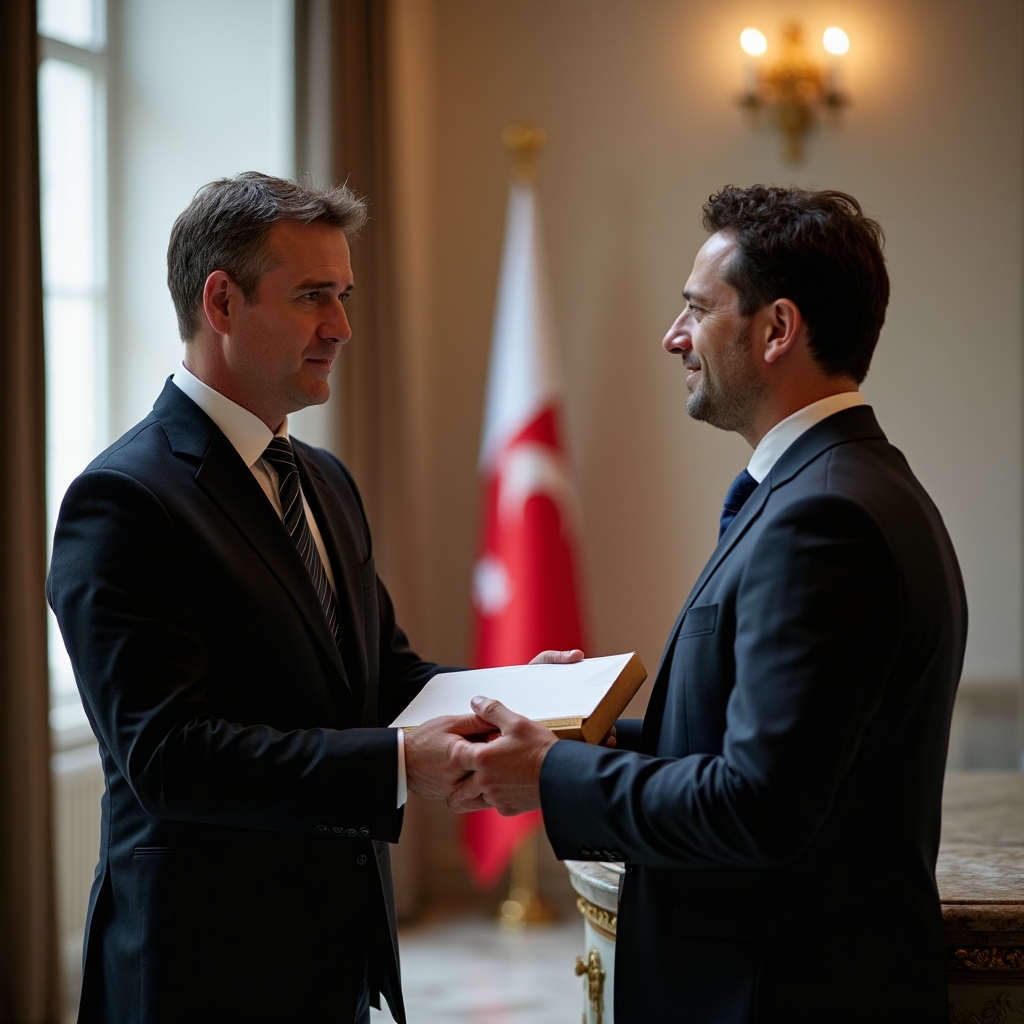
On weekends and public holidays
A closing set that falls on a Saturday still moves
Deadlines do not always respect the working week. A hearing scheduled for Monday morning, a consular appointment on a public holiday, or a signature that only becomes available over a weekend can still be handled, at a premium rate that reflects the day and the notice given.
Arranging weekend or holiday transport works best with a phone call in advance, since driver availability on those days is confirmed individually rather than scheduled by default.
A quick way to decide
Situations where a dedicated route is usually the better fit
- The document has to be signed for by a named individual
- A deadline falls the same day or the next morning
- Proof of hand-over needs to exist before end of day
- The recipient is at a courthouse, embassy or notary desk with fixed hours
- The item is small enough for one pouch, not a pallet
- The route runs between Bucharest, Cluj, Timișoara, Iași or Brașov
- The pickup can be confirmed before ten in the morning
- A weekend or holiday delivery is worth the premium rate
Not sure if this fits your situation?
Describe the shipment and the deadline, and dispatch will confirm whether same-day collection is possible.